


Samurai Dash-Fast Hit
3.3167.00 Reviews
App Specs
- Version
- 1.9.14
- Updated On
- License
- Free
- Downloads
- 10,000,000+
- Developer
- Philip Fowler Labs
- Categories
- Arcade
- Platform
- Android
Screenshots
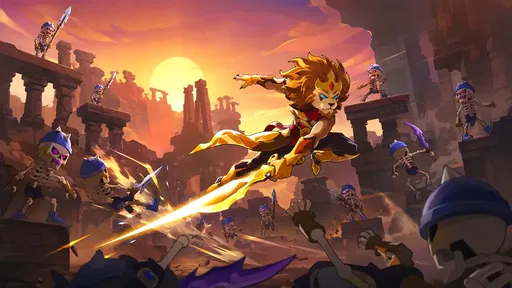
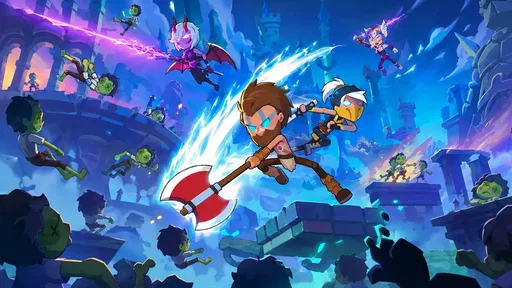
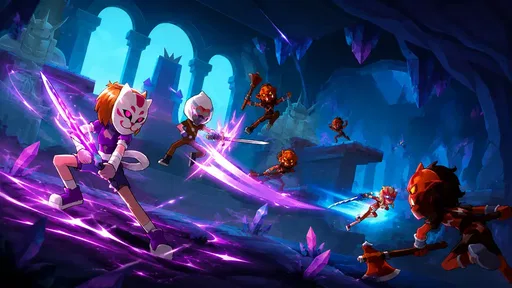
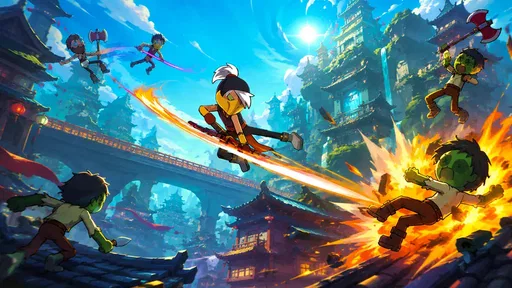
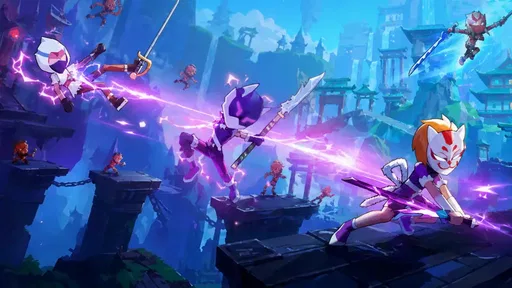
 Analysis by AppCompare
I spent time with Samurai Dash-Fast Hit as a quick arcade game built around a very clear idea: mistakes are costly, and the action expects you to react before the danger reaches you. Its store summary describes a ninja world where one hit is enough to end the run, and that single rule shapes almost every part of the experience. It is easy to understand, but not always easy to live with.
That contrast is what makes this game worth discussing. I can start a session quickly, understand the basic tension almost immediately, and enjoy a few focused attempts without committing to a long adventure. At the same time, the unforgiving format can become tiring if I am looking for a relaxed arcade game, a forgiving learning curve, or a comfortable experience during a noisy commute. My overall view is positive but selective: this is best for players who enjoy short bursts of pressure and repeated attempts, not for everyone who likes samurai themes or simple controls.
How clearly the game communicates its action
The strongest part of the presentation is its readable central premise. There is no need to learn a large collection of systems before understanding what I am supposed to do. The game places the focus on timing, movement, and avoiding the mistake that ends the attempt. That makes the opening approachable even for someone who does not usually spend much time with arcade games.
I also appreciate that the concept does not depend on a complicated story to justify each session. When I have only a few minutes, I can treat it as a focused reaction challenge rather than an experience that asks me to remember characters, objectives, or a large map. For a player who prefers direct navigation, that simplicity is useful. There is less mental overhead between opening the game and beginning a run.
However, simple navigation should not be confused with a gentle experience. The controls may be easy to understand, but the consequences are severe. A new player can know exactly what the game wants and still fail repeatedly while learning its rhythm. In my experience, that creates a clear divide between understanding the interface and being comfortable with the demands of the action.
The arcade presentation also favors players who like visual concentration. The important information is tied to what is happening in front of me, so looking away for even a moment can make recovery difficult. This is not the kind of game I would recommend playing while walking, talking to someone, or switching constantly between other tasks. Its clarity works best when I give it my full attention.
For context, Philip Fowler Labs lists the game in the arcade category, and it is available free of charge. That combination makes it easy to try without treating the first session as a major commitment. I can see why it has reached more than ten million installs, but popularity does not remove the need to decide whether its one-hit structure suits my temperament.
Worth Reading Before You Choose

EA SPORTS FC Mobile 26 Is a Bigger Football Game, but It Takes Time

Flipboard Shows What News Apps Must Do Beyond the Feed

Switching to Android Auto Means Rethinking Your Driving Routine

Google Calendar Makes a Crowded Week Easier to Manage

Ludo King Makes the Most of the Minutes Between Plans

Baby Panda World Brings Quick Play to Modern Phones, but Its Game Library Feels Busy
What the first sessions feel like
My first useful adjustment was to stop treating every attempt as a test of skill. The early runs are better understood as a way to learn the visual timing and the pace of incoming danger. If I rush to chase a high score immediately, failure feels arbitrary. If I watch for patterns and accept short attempts as practice, the design becomes more understandable.
This is an important distinction for younger players and for anyone who is new to reaction-heavy arcade games. The Teen content rating suggests that the tone and intensity are not aimed at very young children, but age alone does not predict whether someone will enjoy the pressure. A patient teenager may find the repeated retries satisfying, while an adult who dislikes sudden failure may abandon it quickly.
The game is also a better fit for a player who likes self-improvement than for someone who needs a strong sense of completion. I did not approach it expecting a long narrative journey or a broad collection of activities. Its value comes from refining a small skill set, recognizing danger sooner, and staying calm when the screen becomes demanding.
Readability is more than large text
When I think about readability here, I am not only considering menus or labels. The central question is whether I can identify the threat, understand the timing, and decide what to do before the opportunity disappears. Samurai Dash-Fast Hit is clearest when the screen is treated as a live signal rather than a place to inspect slowly.
That makes the game naturally more accessible to people who enjoy visual reaction tasks, but less comfortable for players who need extra time to process changing scenes. A player with attention difficulties may prefer short, quiet sessions with no competing conversation. Someone who relies on audio cues would need to judge the game through the visual action rather than assuming sound alone will provide enough warning.
My practical advice is to begin with the device held steadily and the display kept free of distractions. I found that changing grip halfway through a run is more disruptive than it sounds, because the game’s challenge depends on consistent timing. A stable setup does not make the game easy, but it removes an avoidable source of mistakes.
Motor and sensory demands in real play
The most obvious physical demand is quick, deliberate input. Even if the action uses a small number of gestures or taps, the player still has to perform them at the right moment. That matters for anyone with limited dexterity, hand fatigue, tremors, or difficulty maintaining a consistent grip. A control scheme can be conceptually simple and still be physically demanding when the penalty for a late response is immediate.
I would not describe this as a game that rewards slow exploration. It asks for repeated bursts of concentration and reliable movement. Players with strong fine-motor control may enjoy the precision, while players who need a more forgiving timing window may experience the same design as stressful rather than exciting.
There is also a sensory consideration that is easy to overlook: the game’s appeal depends on noticing rapid changes. Bright action, motion, and sudden threats can be tiring for people who are sensitive to visual stimulation. I would approach it cautiously if flashing effects, fast movement, or intense screen activity usually cause discomfort. Taking breaks is sensible, especially because repeated failure can encourage me to keep playing longer than I intended.
The game’s one-hit structure creates a second kind of sensory pressure. Every new moment can feel important because there is little room to recover from an error. That tension is the point for experienced arcade players, but it can amplify frustration for people who need a calmer pace. A player looking for a game to unwind before sleep may be better served by a slower puzzle title or a turn-based alternative.
One useful habit is to separate accuracy practice from endurance practice. I found it more productive to focus on making a few careful decisions rather than trying to survive for as long as possible from the start. Once the basic timing feels familiar, longer sessions become less mentally expensive. This is a small change, but it makes the game feel less like a sequence of random punishments and more like a skill exercise.
Who can enjoy it comfortably
Samurai Dash-Fast Hit works well for players who have a reliable touch setup, enjoy quick visual decisions, and do not mind restarting after a mistake. It can also suit people who want a compact activity between larger tasks. I can imagine playing it during a short break, waiting for an appointment, or taking a few attempts after finishing a work session.
A realistic everyday scenario would be a commuter sitting safely on a train with a few quiet minutes available. In that setting, the game gives me a self-contained challenge that I can stop after a run. The same game is a poor choice while standing in a crowded vehicle, crossing a street, or carrying something, because the need for visual focus and precise input competes with the surroundings.
That situational difference is central to its inclusiveness. A player may be perfectly capable of enjoying it at home and find it unusable in a bright, moving, or distracting environment. I would not judge the game only by whether it runs on a device. The more useful question is whether the player can create conditions where the action remains visible and the hands can respond safely.
Because the game is free, trying it is relatively straightforward. Still, “free” does not mean every player will find the experience low-cost in time or patience. Repeated attempts can become demanding, and a player who is sensitive to failure loops may feel that the game asks for more emotional energy than expected from a small arcade title.
Where different abilities meet the design
Players with visual processing differences may need to experiment with session length and surroundings. A quiet room, a clean screen, and a comfortable viewing distance can make a meaningful difference. I would also avoid judging performance during tired periods, because this game turns reduced concentration into immediate failure rather than allowing me to recover gradually.
For players with motor limitations, the key issue is not whether the controls are numerous. It is whether the required action can be made accurately and repeatedly. Someone who can perform a single input but struggles with speed may find the game less welcoming than a slower arcade alternative. Someone who benefits from longer response windows should look for a title designed around adjustable difficulty or turn-based decisions instead.
Players with hearing differences may still be able to engage with the visual challenge, but I would not assume that every important cue is available in every situation without testing it personally. The safest approach is to watch the screen carefully and avoid relying on sound while learning. That also helps in public places where audio may be unavailable or inappropriate.
For people who use assistive touch, alternative input methods, or device-level accessibility settings, the practical result will depend on whether those tools preserve the timing and precision the game expects. A setting that adds delay or changes the feel of a tap may make the game harder even if it improves access elsewhere. This is one reason I would treat the first session as a compatibility check rather than assuming the experience will translate perfectly from another mobile game.
Practical barriers that affect the experience
The largest barrier is the lack of forgiveness built into the central challenge. One mistake does not merely reduce progress; it ends the current attempt. That makes every input feel important, but it also means that a small accidental touch, momentary distraction, or physical slip can erase a run. Players who prefer gradual recovery may find this design unnecessarily severe.
Another barrier is the limited usefulness of divided attention. I cannot recommend playing while listening closely to a meeting, supervising a child, or handling another task. The game may be free and quick to open, but it is not truly casual in the sense of requiring little attention. Its sessions are short because the focus is intense, not because the player can safely ignore the screen.
The game may also frustrate people who expect the samurai theme to lead to a larger action adventure. The store short description calls it Samurai Dash, but the actual appeal is the compact arcade loop rather than a broad role-playing structure. If I want exploration, equipment choices, character development, or a story that carries me forward, I would choose a different genre instead of expecting this title to expand into those areas.
Its current version is 1.9.14, and it supports devices running Android 8.0 or later. Those details make it easier to judge basic compatibility, but they do not answer the more personal question of whether a particular screen, grip, or input setup feels comfortable. I would still test it on the device I plan to use, especially if touch accuracy or visual comfort is already a concern.
The public response is mixed enough to reinforce that point. The game holds a 3.1 average from around 2.8 thousand ratings, alongside 168 written reviews. I read that as a sign that the sharp, demanding design will appeal strongly to some players and put off others. I would not use the install count alone as evidence that it is universally enjoyable.
When another arcade game is the better choice
Compared with a conventional endless runner, this game’s appeal is less about calmly collecting distance and more about surviving precise moments. A runner with upgrades, checkpoints, or softer failure may be a better fit for someone who wants a longer session with visible progress. In contrast, I would choose Samurai Dash-Fast Hit when I want a concentrated test that gets to the point quickly.
Compared with a rhythm game, it may offer a similar feeling of timing without asking me to follow a song, but it does not replace the structured musical feedback that makes rhythm games satisfying. Someone who learns best through repeated beats may find a rhythm title easier to understand. Someone who prefers visual threats and immediate reactions may prefer the ninja framing here.
Compared with a turn-based strategy game, the difference is even clearer. Turn-based play gives me time to inspect options and accommodate slower decision-making. This game asks me to respond in the moment. That is a strength for players seeking alertness and a weakness for anyone who needs time to analyze each situation.
There is also a useful comparison with forgiving casual games. Many casual titles are designed to fit around interruptions, while this one punishes interruptions because the action does not wait for me. I would recommend it for a deliberate break, not for background play. That distinction can prevent disappointment from the beginning.
My inclusive verdict after repeated sessions
I came away seeing Samurai Dash-Fast Hit as a focused arcade test with a clear identity. It does not need a complicated ruleset to create tension, and its direct format makes it easy to try. The developer, Philip Fowler Labs, has a game that can fit neatly into short, intentional sessions for players who enjoy fast decisions and repeated improvement.
Its accessibility story is more limited than its simple premise might suggest. Simple rules help with learning, but the one-hit structure raises the physical, visual, and emotional demands. The game is most inclusive when the player can control the environment: a stable grip, an unobstructed view, enough quiet to concentrate, and a willingness to stop before fatigue turns into careless mistakes.
I would recommend it to an arcade fan who enjoys precision, quick restarts, and the satisfaction of improving through repetition. I would also suggest it to someone who wants a short game that does not require a long narrative commitment. The free price makes experimentation easy, and the Teen rating gives a useful indication that this is not positioned as a children’s game.
I would steer away from it if you need adjustable pacing, forgiving checkpoints, low sensory intensity, or a game that remains playable while your attention is divided. Players with motor or visual challenges may still enjoy it, but only if the required timing and screen reading work comfortably with their personal setup. I would test that early rather than forcing myself through frustrating sessions.
My final recommendation is therefore conditional but clear: choose this game for focused arcade pressure, not relaxed background entertainment. It succeeds when its strict rules feel like a fair challenge, and it fails as a fit when those same rules turn ordinary interruptions or physical limitations into constant defeat. For the right player, that sharpness is the attraction; for everyone else, a slower and more forgiving alternative will be the better choice.
Pros
- Fast
- responsive controls make short sessions feel satisfying.
- Simple gameplay is easy to learn without a lengthy tutorial.
- Quick rounds work well for commutes or brief breaks.
- Stylized samurai visuals give the game a distinct identity.
- Increasing speed provides a clear challenge for skilled players.
Cons
- Gameplay can become repetitive after extended play.
- Mistakes may feel frustrating when the pace suddenly increases.
- Limited depth may disappoint players seeking a story or progression.
- Some levels can feel more dependent on reflexes than strategy.
- Ads or in-app purchases may interrupt the otherwise quick gameplay.
FAQs for Samurai Dash-Fast Hit
What is Samurai Dash-Fast Hit?
Samurai Dash-Fast Hit is an action game centered on fast reflexes, rapid movement, and samurai-style combat. Players guide the character through challenging stages while avoiding obstacles, defeating enemies, and attempting to achieve high scores. Its gameplay is designed for short sessions, making it suitable for users who enjoy quick arcade experiences with simple controls and increasingly demanding challenges.
How do you play Samurai Dash-Fast Hit?
The game focuses on timing and quick reactions rather than complicated controls. You generally move through the level, respond to incoming hazards, and attack enemies at the right moment. Success depends on learning enemy patterns, choosing when to dash or strike, and avoiding unnecessary mistakes. Although the basic mechanics are easy to understand, later sections may require concentration and precise timing.
Is Samurai Dash-Fast Hit free to download and play?
Samurai Dash-Fast Hit can generally be downloaded without an upfront purchase, but availability of advertisements, optional in-game purchases, or other monetization features may depend on the version and platform. Before installing, it is worth checking the official store listing for current pricing information, supported devices, and purchase details. Parents should also review payment settings if children use the device.
Does Samurai Dash-Fast Hit require an internet connection?
The core gameplay may be playable without a constant internet connection, which is convenient for short sessions while traveling or when mobile data is unavailable. However, some functions—such as advertisements, rankings, cloud-related features, updates, or promotional content—could require connectivity. Because requirements can change between releases, check the store description and test the game offline after installation before relying on it without internet access.
Is Samurai Dash-Fast Hit suitable for all ages and devices?
The game is likely to appeal to players who enjoy arcade action, reflex challenges, and stylized samurai combat. Its suitability depends on the age rating shown in the Google Play Store or Apple App Store, especially if it includes cartoon violence or advertising. Performance can also vary by device, so users with older phones should confirm the operating-system requirements and available storage before downloading.


